_
John 1:6-8, 19-28 (NIV)
There was a man…
This beginning statement of the narrative tells us that whoever this man was, he’s no longer here. He’s gone. He’s dead.
The same statement can actually be the beginning of the story of any person who once walked upon this earth. In fact there is a song by Carpenters that begins with the same line, “There was a man.”
But the song continues not with a positive description of the man, like what we have in this narrative in John, but with a negative one:
There was a man
A lonely man
Who lost his love
Through indifference
It’s a sad story of a man whose love “went unshared.” The song goes on and it tells us more about this man:
While life goes on around him everywhere He’s playing solitaireWhen I’m gone, that’s not the kind of story I want told about me. What I want is a story similar to that of John the Baptist. Although he lived a short life–or “shortened” life because Herod had him beheaded–John lived a full and meaningful life.
How did it happen?
Sent from God
First, John had a strong sense of calling. He knew he was called by God for a specific purpose. He knew that his purpose was to prepare the way for the Messiah. So John lived his life fulfilling his purpose with single-minded devotion.
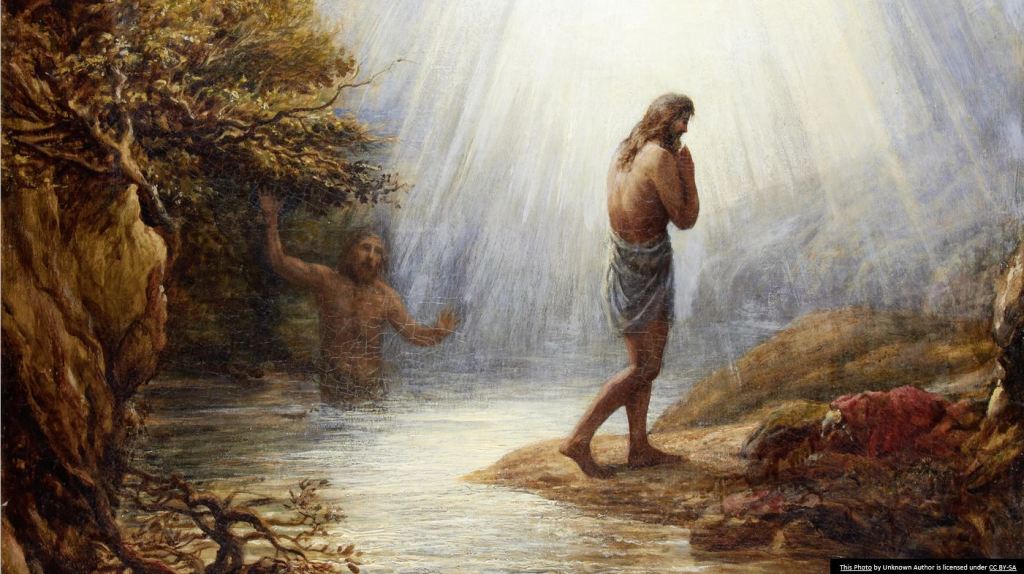
John preached repentance and assisted people in sealing their commitment to the Lord through baptism. He was quite a sight in the river Jordan that some thought that he was the Messiah they were waiting for. But John would not give in to the temptation to pretend to be another man.
In life, there may be that temptation to portray ourselves not really as who we are, perhaps because we want people to see a better picture of ourselves. On Facebook, some people hide their face by not posting a profile picture. But there are some who post a picture of themselves taken 30 years ago! Why? Maybe because they want people to see them looking better than how they look now.
How did John the Baptist overcome the temptation to show himself as someone greater than he was?
Who are you?
John knew who he was and was happy with his identity. He knew that he was not the light but that he was only a witness to the light. So John did not pretend to be the light. When asked if he was the Messiah, he said “no.” Elijah? Another “no.” The Prophet? Still “no”! He knew he was not the Messiah, nor Elijah, nor the Prophet. And he did not pretend to be any of them.
John knew who he was and had a clear picture of his identity: “I am the voice of one calling in the wilderness, ‘Make straight the way for the Lord.’”
John may have lived a short life but it was a purposeful and meaningful life. Why? Because he lived life according to his calling and identity. Do you?
 PENnED
Leave a comment