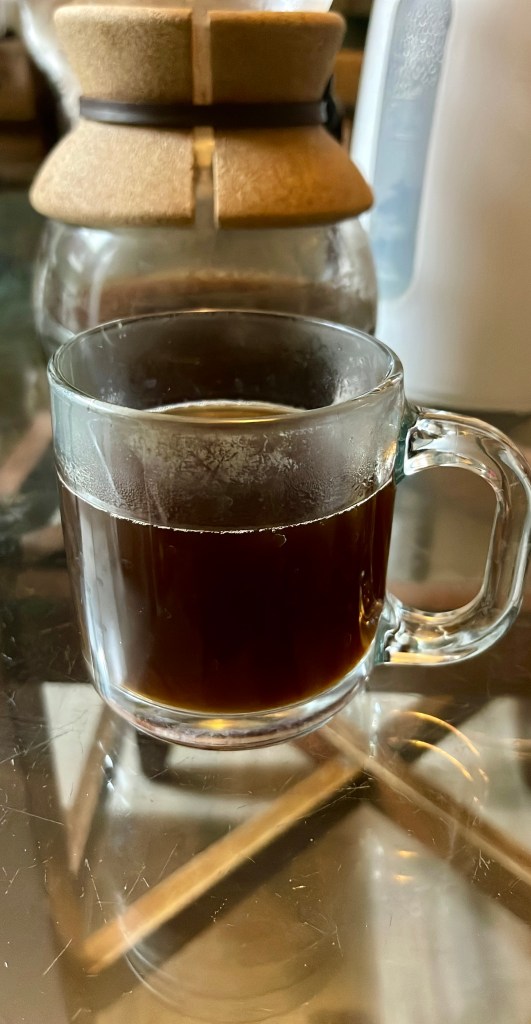
I grew up with coffee not just as a beverage, but as a ritual—an inheritance steeped in memory. My grandmother, Lola Margarita, cultivated her own beans in South Cotabato, on the island of Mindanao. She roasted them over fire, ground them by hand, and brewed them with reverence. Her coffee was bold, aromatic, and deeply comforting. It was the taste of morning prayer, of quiet strength, of home.
Earlier this year, I returned to the Philippines carrying a two-pound bag of Starbucks’ Caffè Verona, hoping to share something familiar with my family. I expected to find better coffee there—something closer to Lola’s—but I was surprised, even disappointed, by what I tasted. The local brews lacked the depth and aroma I remembered. A family member gave me barako from Batangas, but it felt flat and one-dimensional. Another gifted me Robusta from Sultan Kudarat, which was bold but bitter in a way that didn’t resonate.
It made me wonder: what happened to the coffee I knew?
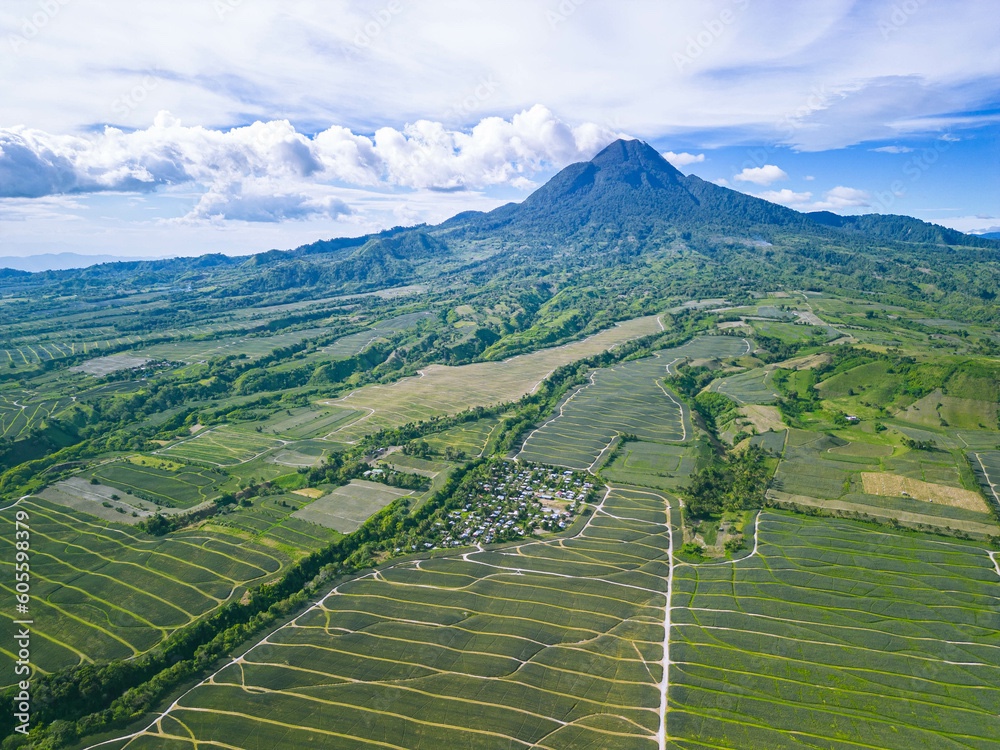
Lola’s beans were likely Arabica, grown in the highlands near Mt. Matutum, where indigenous communities like the B’laan and T’boli still cultivate heirloom varieties. Today, that region produces some of the Philippines’ finest Arabica, but much of it doesn’t reach local markets. Instead, instant coffee dominates, and traditional roasting methods have faded.
Back home in Nevada, I grind and brew my own coffee—$14 a pound, plus tax. It’s not cheap, especially with prices rising and tariffs looming. But it’s worth it. Each cup is a quiet act of remembrance. The hum of the grinder, the bloom of the pour, the steam rising like incense—it all brings me back to Lola’s kitchen, to the warmth of her hands and the dignity of her craft.
Coffee, for me, is more than flavor. It’s legacy. It’s presence. It’s the bittersweet taste of change—and the enduring aroma of love.
 PENnED
Leave a comment